

Montgomery’s Inn

Experience Toronto’s Hidden History
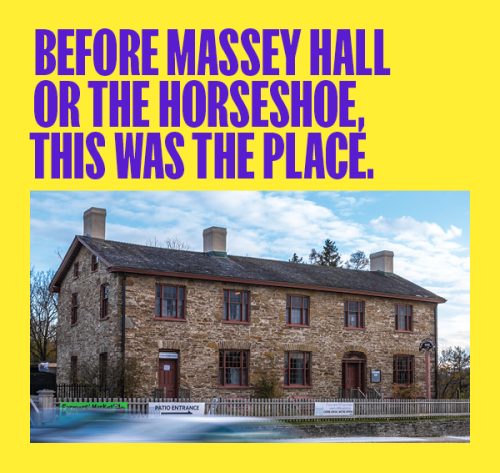
Before concert halls and neighbourhood pubs, Montgomery’s Inn was the place to gather. Built in the 1830s, this historic Etobicoke landmark welcomed travellers and locals for food, drink, games, music and conversation. Step inside the tavern, ballroom and bedrooms to investigate the stories of a community shaped by travel, trade and the people who called this place home. From Indigenous histories rooted in the land for centuries to the remarkable journey of Joshua Glover, a freedom seeker who escaped enslavement in the United States, the Inn reveals the diverse lives and experiences woven into Toronto’s past. Learn more about the people, traditions and hospitality that helped shape the neighbourhood and how the spirit of connection that defined the Inn continues to bring communities together today.
Admission
General admission is free. Some exhibitions and events may carry a separate charge where noted.
Hours of Operation
Wednesday to Sunday: 11 a.m. to 4 p.m.
See the Farmers’ Market section for more details about the weekly event.
Health and Safety
The public is not required to wear a mask but may choose to wear a mask in any settings they wish and will be supported in doing so. Museum visitors are treated with respect and understanding, regardless of their decision to wear a mask.
On-site Services
- Public washrooms with changing facilities
- Partial accessibility. Access is by way of a flight of four stairs and includes uneven surfaces
- Please call 416-394-8113 for specific accessibility questions
- Outdoor picnic area in Tom Riley Park
Groups of 15 people or more will be charged a fee for their visits. This fee includes a reserved time for your group and a dedicated tour guide to ensure an enjoyable and engaging experience.
For more information on group tours, fees or to book your group visit, email montinn@toronto.ca. Please contact us 14 days in advance of your preferred visit date. Groups without an advanced booking may not be accommodated.
Montgomery’s Inn was once part of a 400-acre farm which supplied food for the Montgomery family, guests of the inn and for retail sale. Much of this land continued to be farmed by tenant farmers through the 1940s. Though the farm is long gone, we celebrate the Inn’s agricultural roots once again by offering farm-fresh produce for sale.
Vendors include local farmers and small food producers offering vegetables, baked goods and prepared foods. Fresh baked bread from the Inn’s wood-burning oven is available while supplies last.
Location and Hours
Wednesdays from 2 to 6 p.m.
The market is currently located outdoors.
By Car
Montgomery’s Inn is located on the southeast corner of Dundas Street West and Islington Avenue. Free parking is available in the parking lot, which is accessed from Montgomery Road (one block east of Islington).
By Transit
Take the Bloor/Danforth subway line to Islington station and either walk north or board the Islington 37 northbound bus. Visitors can enter the museum from the Dundas Street West sidewalk. Please note access is by way of a flight of four stairs and includes uneven surfaces. For specific TTC route and schedule information call 416-393-4636 (INFO) or visit the TTC website.
Location
Montgomery’s Inn was designed in the Loyalist or late Georgian architectural style, and was deemed Classical because it had been inspired by ancient Greek and Roman architecture. Features such as the centre-hall plan, the symmetrical balance of the building and the fanlight over the front door are typical. The Inn is built of rubble stone and was originally covered with pebble-dashed stucco, finished, or “coined,” on the corners to give the appearance of cut stone.
After Thomas Montgomery’s death in 1877, the contents of the building were sold at auction. The furnishings in the museum are either donated or purchased pieces of Canadian, American and English origin and reflect those of a conservative country innkeeper. The paint colours on the walls and woodwork are similar to the original colours, which were found by scraping down to the original coat of paint in each room.